Grease
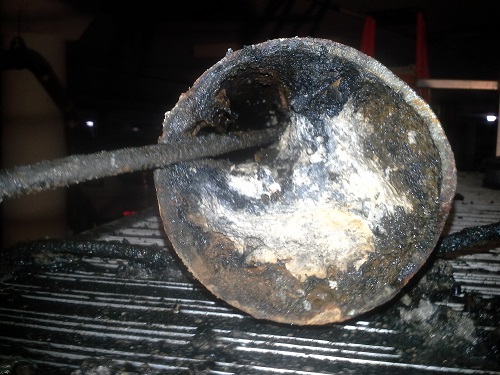
When washing dishes, grease and fat residue enter the drain, coating pipes as it solidifies. Over time, this buildup narrows the pipes, slowing flow and increasing blockage risk. Scraping plates before washing can help prevent this issue.
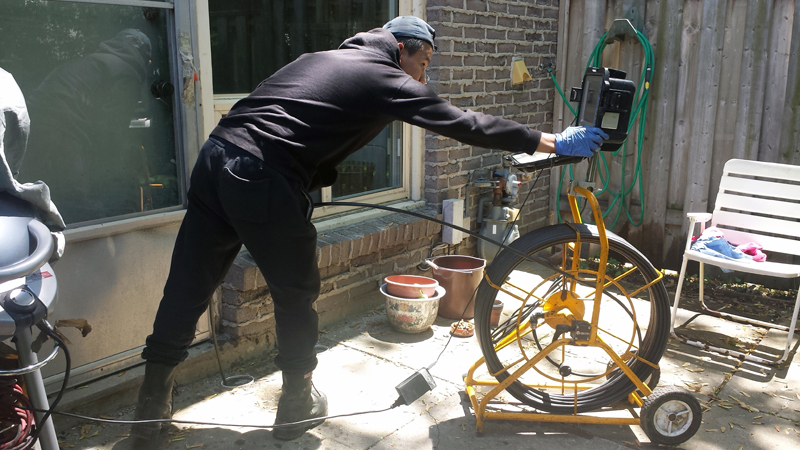
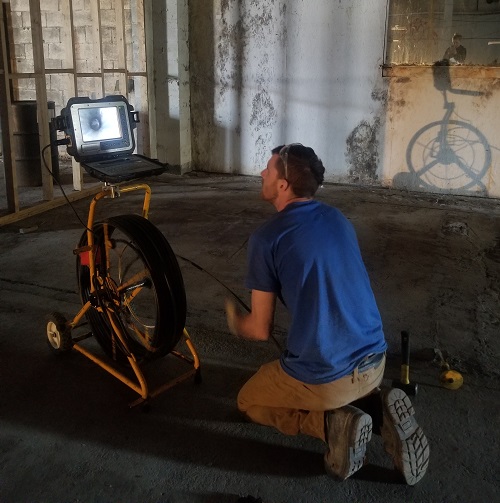
Inline video inspections is the process of feeding a drain camera through the interior of pipelines. As the camera moves through your plumbing, the plumber will be able to see the interior of your pipes on a video screen. This visual allows them to pinpoint the exact location and depth of any problem. Getting a clear visual is the best way to be 100% accurate in determining the problem and providing a precise quote to carry out any necessary repairs. Inline video inspections are not harmful to the pipes and can be done fairly quickly to locate any problems.
Efficient video inspections reveal the true conditions of your pipes so that you can opt for precise and timely maintenance and repair services.
Our drain inspection cameras help detect the following:
When washing dishes, grease and fat residue enter the drain, coating pipes as it solidifies. Over time, this buildup narrows the pipes, slowing flow and increasing blockage risk. Scraping plates before washing can help prevent this issue.
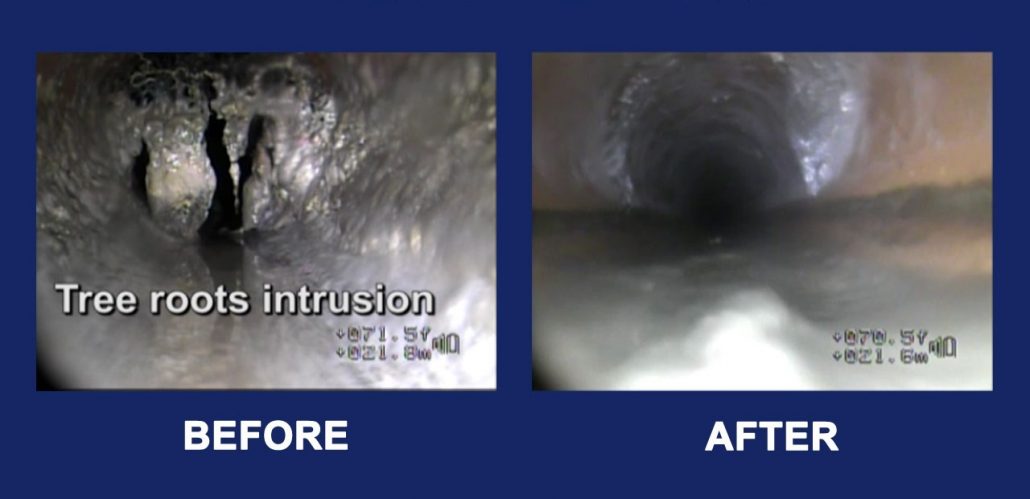
Water flow in your main drain leads to vapor escaping into surrounding soil through pipe cracks or loose joints. Roots are drawn to these openings for nutrients and moisture, growing inside the pipe. Left undisturbed, roots fill the pipe, catching household debris. Continued root growth exerts pressure, leading to pipe damage or collapse.
A disjointed connection in the pipe is caused by erosion of the sub-soil supporting the joint in the pipe. This leads to movement and stress causes the two sections to move away from each other or completely misalign. This misalignment can allow roots and other debris to build up to the point where there is no more flow.
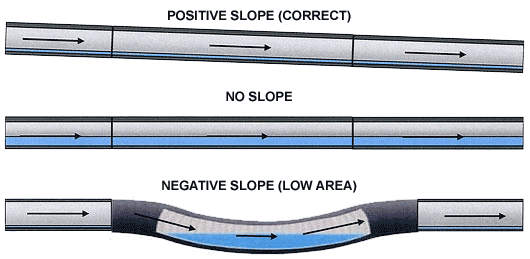
Also referred to as a belly or negative slope, sagging in the pipe is caused by shifting soil, poor soil compaction or poor installation. PVC is the most common type of pipe that this happens to and is used in most homes after 1980. Sagging in the pipe is where the pipe dips lower than the correct grade of the remaining pipe. These low areas cause the water and the flowing debris to lose speed and settle in the low area, eventually causing a clog.
A break or stress fracture is most common in clay pipes, which were used in residential homes prior to 1980. Clay pipes are made from a mixture of clay (MUD) and shale (STONES) that has been baked at a high temperature to make it hard. Any erosion of the sub-soil supporting the clay pipe leads to movement and stress fractures within the pipe wall. Since clay is made from natural materials, it becomes brittle and deteriorates over time also causing breaks or in extreme cases complete collapses.
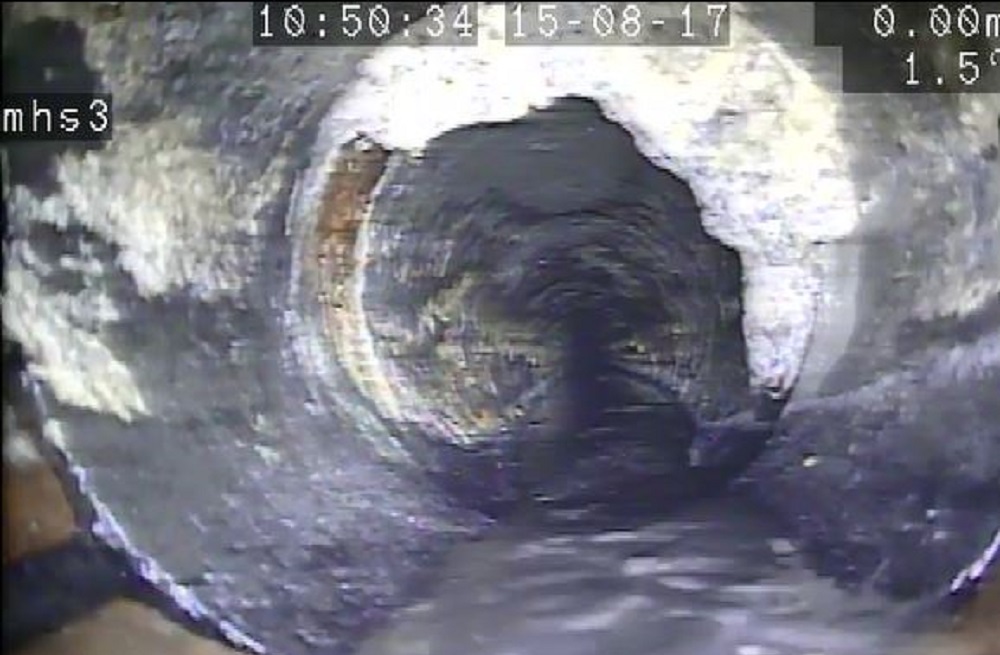
Most common in iron piping, corrosion is a result of waste running through the line and causing hydrogen sulfide gas to form. This gas can cause oxidization and produce sulfuric acid, subsequently corroding the cast iron. Some chemical drain cleaners, if used continuously, can accelerate the corrosive action and shorten the life of the cast iron piping system.
With our video inspection technology, we can help you flag drainage damage before it starts giving you trouble. As soon as you observe any of the following, know that the time is right for a video inspection for your drains:
Slow drainage – If water is taking too long to drain out, there might be a clog somewhere. You might try to unclog the drains with drain cleaners. But if the drainage remains slow, scheduling a video inspection is a good idea.
Smelly drains – If you can sniff the sewer in your kitchen or bathroom, it might be a pipe blockage or leak. If a bad odour persists beyond a couple of days, you should look to call a plumber for a video inspection of your troublesome drain.
Inline video inspections are extremely helpful prior to the purchase of a new home or when renovating a home. It helps you identify any existing issues before commitment or before you start any construction. This simple and fast process can save you time, money and frustration down the road. For prospective buyers, you’ll want to make sure your future new home has solid infrastructure before you buy it. Remember, water and sewer lines that connect a home to the municipal water system are the responsibility of homeowners. If you are considering a renovation, you may benefit from getting the assurance that your existing lines are clear and can support greater quantities of wastewater.
What to expect during video inspection service?
When our plumbers arrive on site for a scheduled inspection, you should walk them through your property. This gives them an idea of your plumbing layout. Once the inspection begins, you can expect our technicians to detect and mark the clogs and cracks in your pipes. After the process is over, you will be provided with the inspection report and a copy of the video if you want. You can access our reliable plumbing services to fix any plumbing problems if found.
Can the video inspection cameras damage plumbing?
No, the video inspection cameras do not cause any damage to your drain pipes. They have been designed especially for use in the interior of drains and hence, they are suitable and safe for your plumbing system.
How does video inspection help in decision-making for repairs or renovations?
Plumbers can visually show you the identified problems, empowering you to make informed decisions about necessary repairs or renovations.
How does video inspection contribute to cost efficiency?
By accurately diagnosing issues, video inspection ensures that maintenance and repairs are done efficiently, reducing the need for repeated plumbing services and saving you money in the long run.
How does video inspection enable fast detection of plumbing issues?
Video inspection allows plumbers to identify problems quickly before they escalate, enabling prompt repairs and minimizing potential damage to your property.
How can video inspection support preventive maintenance?
Scheduling annual video inspections for your drains facilitates proactive maintenance, which can prevent untimely breakdowns and prolong the lifespan of your plumbing system.